
Not as a concept—but as a response to real-world challenges in how energy rating programs are executed, validated, and delivered

ORIGIN
HouseRater was not developed in isolation or as a standalone software idea
It was built out of decades of hands-on work in residential building science, energy rating, and program implementation through Residential Science Resources (RSR)
Over time, one pattern became clear
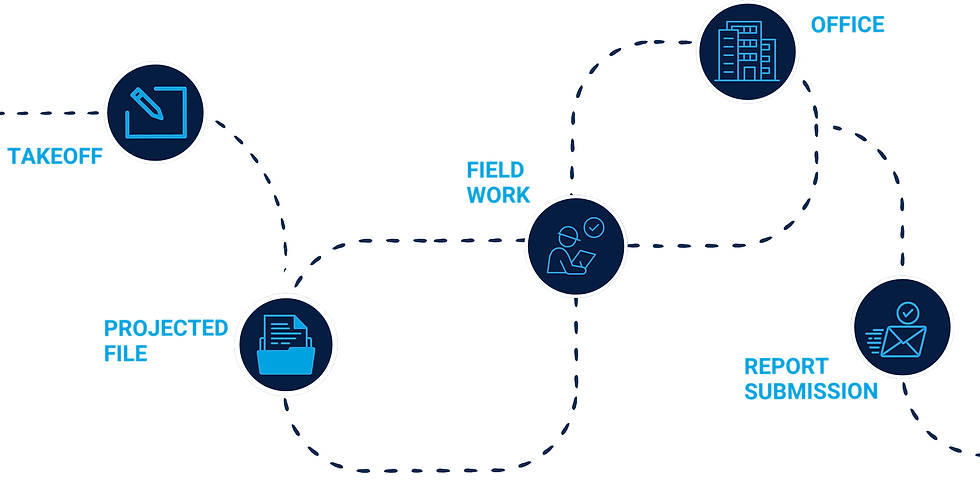
Energy rating workflows were fragmented across tools, teams, and processes—leading to inconsistent execution, repeated QA cycles, and limited visibility across projects
These were not isolated issues, they were systemic

Across programs, raters, and providers:
-
Data was entered multiple times across different systems
-
QA processes were reactive instead of preventative
-
Outputs varied depending on who completed the work
-
Submission cycles often required multiple revisions
-
Program oversight was limited by inconsistent data and workflows
Even experienced teams struggled to maintain consistency at scale
THE PROBLEM
WHY HOUSERATER WAS BUILT

HouseRater was developed to address these challenges at the system level
Not by replacing modeling tools or changing how raters work—but by introducing a structured layer that was able to standardize the way in which work is executed, validated, and delivered
HouseRater creates consistency across workflows without removing flexibility in how the work gets done
BUILT INSIDE REAL OPERATIONS
HouseRater was developed and refined within active energy efficiency programs—not in theory
It has been shaped by
-
HERS Raters
-
HERS Providers
-
Program teams
-
Utility program environments
This ensures the platform reflects how work actually happens—not how it is assumed to happen
In early deployments, teams have reduced QA revision cycles and improved consistency across projects by standardizing workflow execution—resulting in fewer resubmissions and faster approvals
CASE STUDY: BUILDING SCIENCE INSTITUTE (BSI)
The Building Science Institute (BSI) became a Home Certification Organization (HCO) in 2022 and operates within EPA-aligned energy efficiency program frameworks
As part of establishing its operational structure, BSI implemented HouseRater to define and standardize its energy rating workflows

BSI was building its workflow infrastructure while scaling operations and needed a system that could:
-
Establish consistent energy rating processes across teams
-
Standardize data collection and QA from the outset
-
Reduce manual coordination between field work, modeling, and review
-
Ensure outputs aligned with EPA and program requirements
Rather than relying on fragmented tools or manual procedures, BSI required a structured system to support repeatable, scalable operations
CONTEXT
HouseRater was implemented as a workflow layer within BSI operations
It provided structure across project setup and data capture, while standardizing execution steps for raters and reviewers. HouseRater's continuous QA checks during workflow execution allowed for consistent outputs that aligned directly to program requirements
This allowed BSI to operate with a defined workflow system rather than assembling processes manually across multiple tools
SOLUTION
OUTCOMES
With HouseRater in place, BSI was able to:
-
Establish consistent workflows across all projects from inception
-
Reduce reliance on manual QA intervention and correction cycles
-
Improve consistency and repeatability of submitted data
-
Operate with significantly reduced administrative overhead compared to traditional fragmented workflows
Across key workflow stages, operational load was reduced through automated validation and removal of redundant manual checks
KEY INSIGHT
The primary impact was not optimization of an existing system—but the establishment of a structured system where none previously existed
HouseRater served as the operational foundation for execution, QA, and submission workflows from day one
WHAT MAKES IT DIFFERENT
HouseRater does not replace existing tools; instead, it
-
Standardizes workflows across modeling environments such as Ekotrope and REM/Rate
-
Applies continuous validation during execution—not just at QA
-
Structures outputs for consistent, compliant submission
-
Aligns raters, providers, and programs within a shared system
It operates as a system layer—bringing structure to previously disconnected workflows
WHERE IT’S GOING
As energy efficiency programs continue to scale and evolve, consistency and data quality become more critical
HouseRater is designed to support that evolution by
-
Improving reliability across distributed teams
-
Reducing QA friction
-
Enabling stronger program-level visibility
-
Supporting long-term standardization across the industry
WHO BUILT HOUSERATER
HouseRater was developed by professionals with long-standing experience in building science, energy rating, and program implementation
Mat Gates
Founder of Residential Science Resources (RSR) and creator of HouseRater®, with over 25 years of experience in building science and energy efficiency programs
Began working while still in college and went on to become the first graduate of the University of Minnesota’s Residential Building Science & Technology program in 2002
Founded RSR in 2004 and has since focused on designing and managing large-scale energy efficiency programs supporting utilities, HERS Raters, and HERS Providers
Michael Resech
Key contributor to the development and evolution of HouseRater®, with over a decade of experience in energy rating operations and program implementation
Has played an integral role in shaping how HouseRater aligns with real-world workflows, ensuring the platform reflects how work is actually executed across raters, providers, and programs
TESTIMONIALS
“HouseRater's team has crafted a platform that works out of the box for raters and verifiers - with customizable features baked right into the system.”
— Connor, Building Science Institute